Passivation Staining and Mottling: Three Fixes at the Sealing Stage
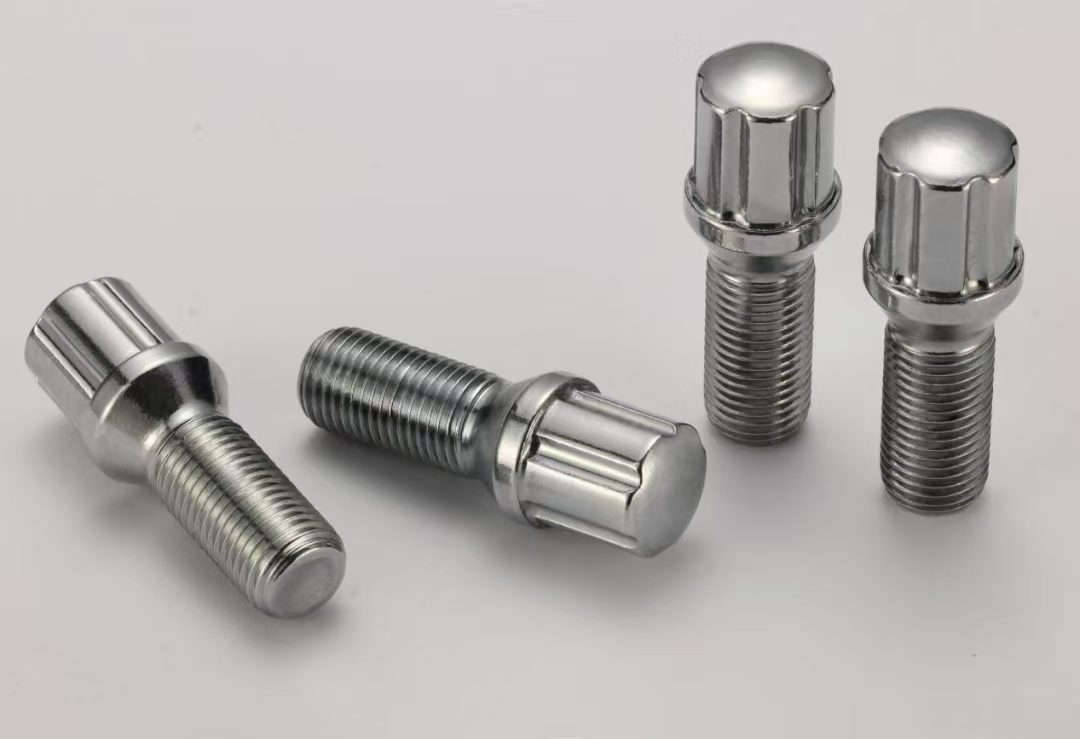
Mottled, patchy or rainbow-stained surfaces are one of the most common appearance complaints on trivalent-passivated zinc. The instinct is to blame the sealer, because the defect becomes visible after sealing. In practice the passivation layer is usually where it started.
First, separate the two layers
- Take parts straight from passivation, dry them, and inspect under the same lighting the customer uses. If the mottling is already there, sealing cannot be the cause.
- Take a second group through the sealer. If the pattern is identical but more visible, the sealer is amplifying contrast, not creating it.
- If mottling appears only after sealing, look at film thickness uniformity, bath contamination and drying.
Cause 1: passivation bath contamination
Zinc and iron accumulate in a trivalent bath as drag-in. Iron above a few tens of ppm produces dark, uneven films; zinc accumulation shifts the film colour and reduces adhesion. High pH or a depleted complexing agent produces patchy films that look like water marks.
Fix: analyse the bath on a schedule rather than when a defect appears; control drag-in with a proper rinse before passivation; replace part of the bath on a defined interval rather than topping up indefinitely.
Cause 2: drying behaviour
A wet film that dries unevenly leaves concentration gradients. Visible symptoms: tide marks where the last liquid ran, darker areas at the bottom of the part, water spots that follow gravity.
Fix: air-blow before the drying oven, reduce the time between passivation and drying, keep drying temperature within the passivation supplier's range (excessive temperature cracks some trivalent films), and avoid stacking wet parts.
Cause 3: sealer film applied over an uneven base
A sealer is transparent or semi-transparent. It does not hide what is underneath — it changes the refractive contrast. A slightly uneven passivation layer can look acceptable bare and unacceptable under a glossy film.
Fix: the sealing stage can help in three ways:
- Lower film weight. A thinner film reduces optical contrast and covers less. Often the simplest fix for a cosmetic complaint.
- Matting or low-gloss variant. If the product family offers one, it visually flattens the underlying variation.
- Better wetting. Check bath concentration and part wetting; a film that beads leaves patches that read as mottling.
What not to do
- Do not increase sealer concentration to "cover" the defect — it increases contrast and film stress.
- Do not polish or wipe parts after sealing; it removes the barrier locally.
- Do not change passivation and sealer at the same time; you will not know which one fixed it.