Technical resource on zinc sealing, dehydrogenation and fastener corrosion WeChat magnet-01 · info@guass8.com
ZINC SEALING · DEHYDROGENATION · FASTENER CORROSION

Most coating failures start at the bake, not at the bath.

A technical resource for plating shops, fastener manufacturers and automotive component suppliers. We work backwards from the failure — white rust, red rust, delayed fracture, salt-spray shortfall, torque scatter — to the process step that actually caused it.

7failure categories
14technical articles
4bake / seal process routes
0sales pitch
INDUSTRY FOCUS

EV drivetrains turned heat resistance from a bonus into an entry ticket: 250 °C and the zinc sealer

As power density climbs, fasteners in the drive unit face heat from two directions at once: operating temperatures, and the 190–250 °C dehydrogenation bake after plating. Most sealer films do not survive the bake — and the salt-spray number collapses with them. This focus page walks the failure path and the five requirements a sealer must meet.

Open the focus page →
WHAT THIS SITE IS

Field problems, sorted by symptom

Not a product catalogue. Each article takes one failure mode and turns it into checks you can run on the line: what to measure, in what order, and which result points to which cause.

Symptom first

White rust on edges, mottling after sealing, torque drift after a coating change — the entry point is the defect, not the chemistry.

Process second

Plating, passivation, sealing and dehydrogenation interact. A sealer cannot compensate for missing zinc or a damaged passivation film.

Published data only

Every parameter on this site is quoted from a product datasheet or a named standard. Where something is not published, we say so.

Zinc plated fasteners with different finishes
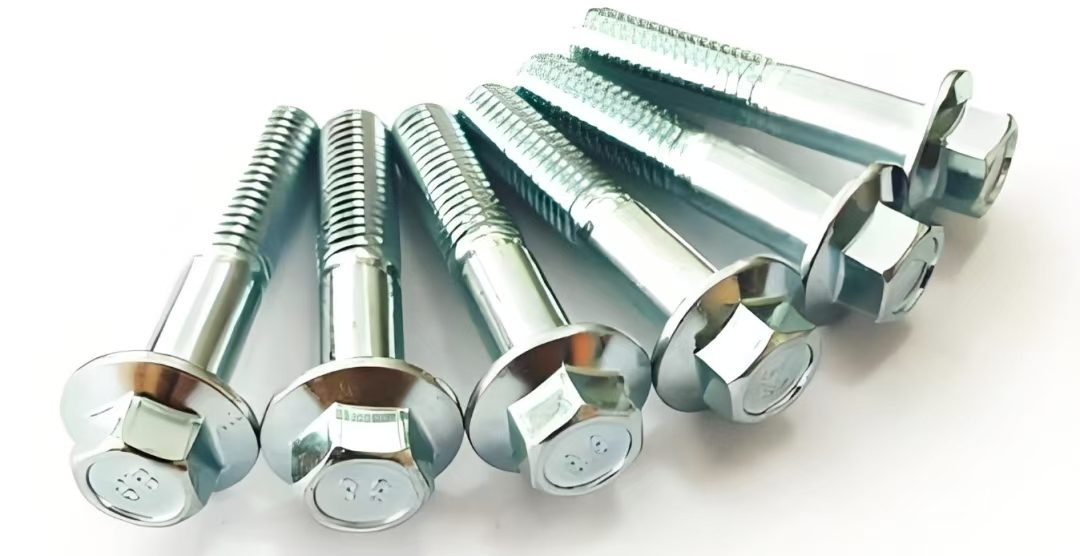
Different coating and sealing combinations: appearance and corrosion resistance have to be specified together.
Blue-white zinc plated flange bolts
Blue-white trivalent passivation: uniform coverage and no drip marks are usual acceptance points.
Black coated flange screws
Black coating on high-strength fasteners: the case where the bake and the film have to coexist.
START HERE

The three questions that decide the outcome

Before choosing a sealer, the process route is the decision that matters most.

QUESTION 1

Is the part baked after plating?

If yes, the sealer either survives 190–220 °C or it does not. There is no middle ground, and the salt-spray figure quoted before the bake is not the number that matters.

Read: why sealing fails after dehydrogenation →

QUESTION 2

Which rust are you actually chasing?

White rust is a zinc corrosion product and responds to passivation and film quality. Red rust means the zinc is gone locally and responds to coating thickness and distribution.

White rust → · Red rust →

QUESTION 3

Is the joint torque-controlled?

A sealing film is often also the lubricant. Change the friction coefficient and the same torque produces a different clamp load — with no visible defect on the part.

Friction coefficient and torque →

QUESTION 4

What is the real cost per m²?

Working concentration and drag-out dominate chemical cost, long before the drum price does. A 200 ml/L bath and a 750 ml/L bath are not in the same cost class.

Cost model →

KNOWLEDGE BASE

Browse by failure category

LATEST ARTICLES

Technical notes

Why Sealing Fails After Dehydrogenation — and How to Fix It

Baking at 190–220 °C destroys most organic sealer films. How to tell whether the bake or the bath is at fault, and four ways to keep corrosion resistance after dehydrogenation.

How to Choose a High-Temperature Sealer for Fasteners

Four dimensions that actually matter when selecting a sealer for parts that are baked: temperature resistance, salt-spray retention after bake, film appearance and bath operation.

White Rust on Zinc-Plated Parts: Five Causes and How to Separate Them

White rust is a corrosion product of zinc, not of the sealer. Five production causes, the check for each, and why adding more sealer usually does not help.

72, 96, 240, 720 Hours of Salt Spray: What the Numbers Actually Mean

Salt-spray hours are not a material property. How the common tiers map to applications, why white rust and red rust must be judged separately, and how to write a specification that can be tested.

Friction Coefficient 0.13–0.18 and Why Assembly Torque Drifts

T = K·F·d explains why a small change in friction becomes a large change in clamp load. Where friction scatter comes from in a coated fastener, and how to measure it properly.

How to Calculate the Real Cost of a Sealing Bath

A cost model for a zinc sealing bath: concentration, drag-out, make-up, heating, filtration, labour and waste. Worked example with illustrative prices.

All 14 articles →

PRODUCT DATA

One product whose datasheet we publish in full

We publish parameters for products whose technical datasheets we hold. We do not sell them.

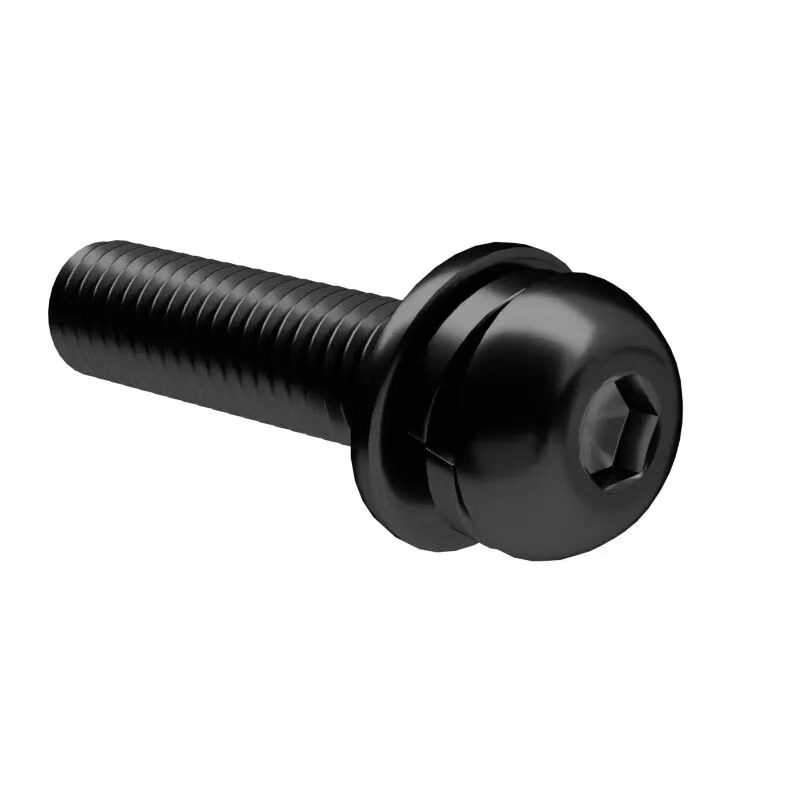
Black coated fasteners sealed with GT-Sealer 501HT
Appearance reference only — not a test report.

GT-Sealer 501HT

A water-based organic-inorganic sealer. Its datasheet states no discolouration at 250 °C and corrosion resistance retained after dehydrogenation — the property that makes a single-step seal-then-bake route possible.

  • Working concentration 100–400 ml/L
  • Operating temperature ambient to 40 °C; no heating required
  • pH 7.5–10, normally no adjustment; top up with concentrate
  • Friction coefficient 0.13–0.18

Full parameters

Have a failure you need to diagnose?

Tell us the plating type, passivation, salt-spray requirement and whether the part is baked. We will give you a technical read before anything else.

Send a technical enquiry
Disclaimer: this is an independent technical resource. Parameters are quoted from published product datasheets (TDS) with sources named, and are not extrapolated. Results vary with substrate, coating thickness, passivation system and equipment; validate any process change on a small batch first. We do not provide product quotations or sell chemicals.