Where Red Rust Comes From: Zinc Thickness, Environment and the Life You Promised
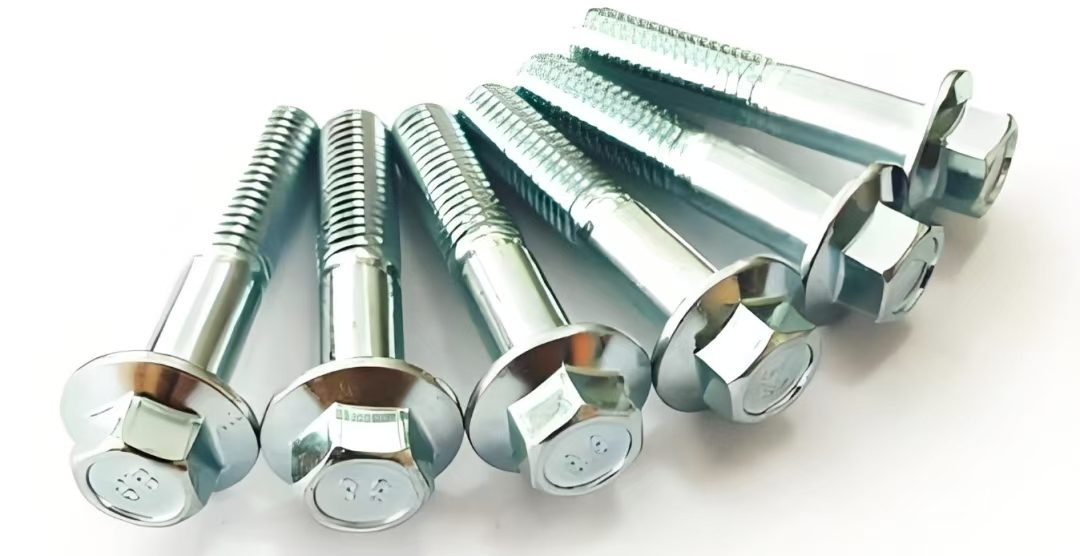
White rust is a zinc corrosion product; red rust means the steel underneath has started to corrode. The transition is a coverage question: red rust appears where the zinc has been consumed, damaged or was never thick enough in the first place.
The basic relationship
Service life is roughly proportional to zinc mass per unit area, for a given environment. The standard way to express the environment is the corrosivity category (ISO 9223): C1 very low indoors, C2 low, C3 medium (urban and industrial, coastal sheltered), C4 high (industrial and coastal), C5 very high (marine, heavy industrial), CX extreme.
| Category | Typical environment | Zinc loss reference |
|---|---|---|
| C2 | Dry indoor, rural | Below 0.7 µm/year |
| C3 | Urban, industrial with moderate SO₂ | 0.7–2 µm/year |
| C4 | Industrial, coastal sheltered | 2–4 µm/year |
| C5 | Marine, heavy industrial | 4–8 µm/year |
These are order-of-magnitude references from ISO 9223/9224 categories, not a design guarantee. Design life calculations should use the actual specification and local data.
Where red rust starts first
- Edges and punched holes. Coating is thinnest at the cut edge; a 10 µm nominal coating may be 4–5 µm at the edge.
- Thread flanks and roots. Geometry limits both deposition and sealer coverage.
- Contact and rack marks. Bare spots created after plating, or areas the sealer never reached.
- Areas of abrasion in transit. Parts rubbing in a carton remove coating before installation.
- Welds and heat-affected zones. Coating is destroyed locally; these need a repair system, not more sealer.
Reading a failure correctly
Take the part that failed and answer three questions before touching the process:
- Is the red rust local or general? Local means a coverage or damage issue; general means the zinc grade itself is inadequate for the environment.
- Is the zinc thickness at that spot inside specification? Measure the failed area, not a reference coupon.
- Did the part see an environment outside the specification? Salt spray on a C3 part during sea transport is a specification error, not a production error.
Fixes that work, in order
- Raise the local minimum, not just the average. Specify a minimum at edges and threads and verify it by measurement.
- Match the coating to the environment. A C3 coating in a C5 application will fail regardless of sealer quality.
- Protect the edges mechanically where possible: radius, deburr, or specify a zinc-rich repair for cut edges.
- Use the sealer as a barrier, not as a thickness substitute. It slows the onset of white rust and delays red rust, but it does not add zinc.