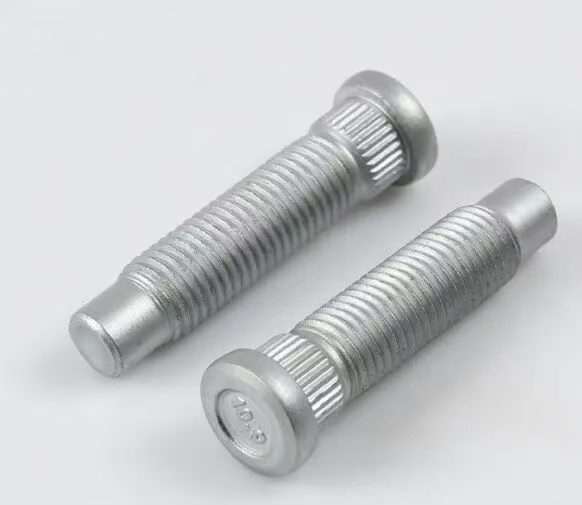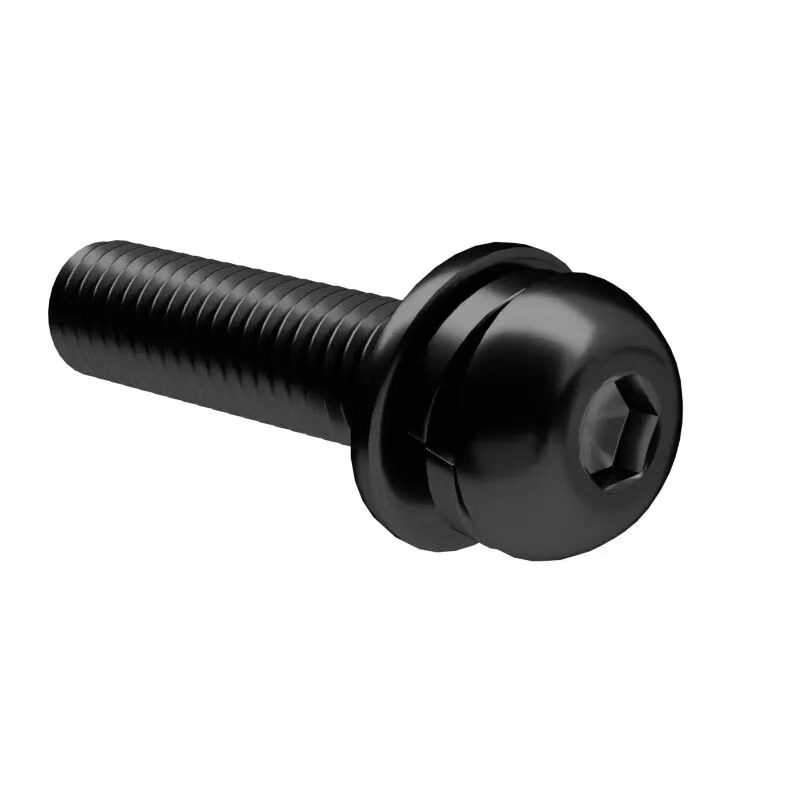
A water-based organic-inorganic sealer. The datasheet states no discolouration at 250 °C and corrosion resistance retained after dehydrogenation — the property that allows a single-step seal-then-bake route for high-strength fasteners.
This site does not sell the product or quote prices. Samples and technical documents are handled by the manufacturer or its authorised channel.
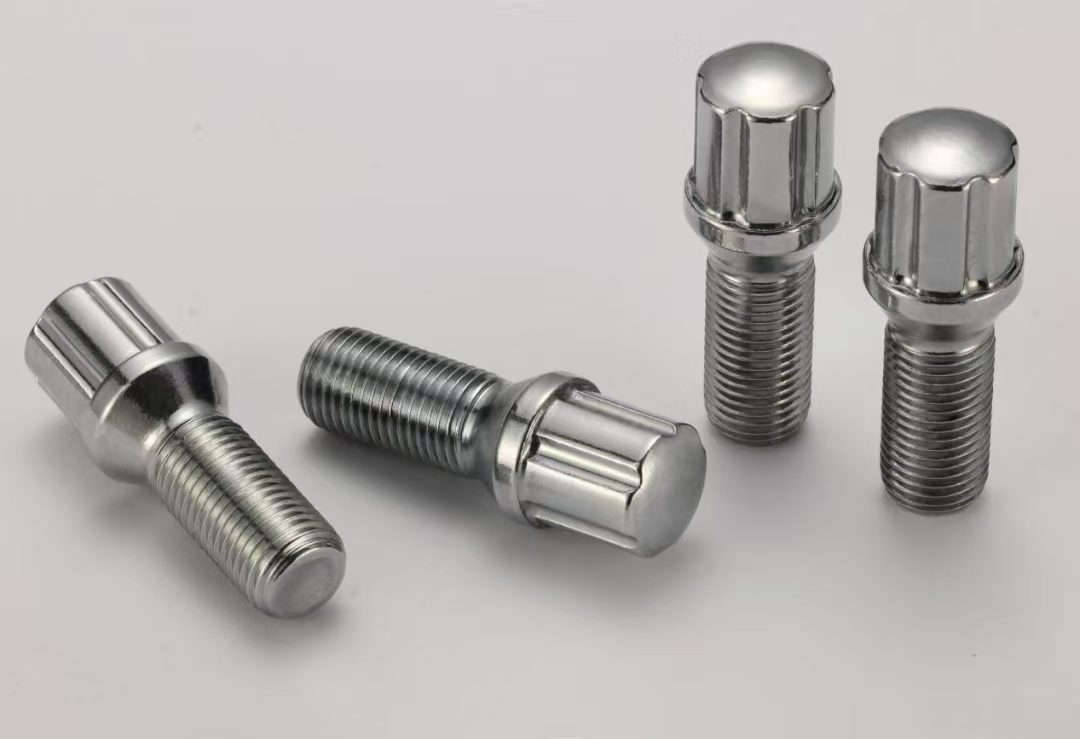
High-strength fasteners are baked after plating — 190–220 °C for hours to more than twenty hours. Most sealing films do not survive that. 501HT's datasheet states no discolouration at 250 °C, with corrosion resistance retained after dehydrogenation, which is what makes the seal-then-bake route viable.
Beyond heat resistance, the published profile is balanced rather than extreme: good salt spray, stable friction (0.13–0.18), good coverage, a hard and abrasion-resistant film. Combined with a 100–400 ml/L working range and a bath that needs no heating, no pH adjustment and no continuous agitation, the total cost of use is low. Field results vary with coating, passivation and part geometry — validate on your own parts.
| Parameters (from the TDS) | |
|---|---|
| Product | GT-Sealer 501HT high-performance water-based sealer |
| Type | Organic-inorganic water-based sealer |
| Substrates | Zinc / zinc-nickel / zinc-iron / zinc-cobalt / zinc alloys / aluminium (after trivalent passivation) |
| Heat resistance | 250 °C no discolouration; corrosion resistance retained after dehydrogenation |
| Working concentration | 100–400 ml/L |
| Operating temperature | Ambient – 40 °C |
| pH | 7.5–10 (no routine adjustment, top up with concentrate) |
| Friction coefficient | 0.13–0.18 |
| Appearance | Silver-white after blue-white or yellow passivation |
| Stage | Practice |
|---|---|
| Make-up | Mix to the target concentration within 100–400 ml/L. Start at the lower end and run a gradient to find the minimum effective concentration — thicker films carry higher internal stress. |
| Maintenance | Within pH 7.5–10 no adjustment is normally needed; top up with concentrate as the level drops. No continuous low-shear mixing and no 80–150 µm filtration. |
| Temperature | Ambient to 40 °C, no heating required — for a small plating shop this removes a year-round electricity cost and a temperature control loop. |
| Draining | Thread roots, blind holes and overlapping faces are where coverage fails. Improve racking and drip time before increasing concentration. |
| Drying | Dry to the film-forming conditions in the TDS; do not confuse this step with dehydrogenation. |
| Question | Answer |
|---|---|
| Can 501HT be dropped into an existing bath as a direct replacement? | No. Change of chemistry requires cleaning or a transition procedure, and a small-batch validation on your own parts — salt spray and appearance in particular. Ask the supplier for the written change-over procedure. |
| Does 250 °C mean the part will pass 96 h salt spray? | No. Heat resistance and corrosion resistance are separate properties. 250 °C describes film behaviour under bake; salt-spray hours also depend on zinc thickness, passivation, film weight and the test standard. |
| Which concentration in the 100–400 ml/L range should we use? | It depends on substrate, coating and salt-spray requirement. Start low and run a gradient: find the lowest effective concentration that meets the acceptance criterion. Higher concentration means a thicker film and higher internal stress. |
| Does the bath need heating or agitation? | The datasheet states ambient to 40 °C, pH 7.5–10 with no routine adjustment and top-up with concentrate only — no continuous low-shear mixing and no 80–150 µm filtration. |
| Can it be used on zinc-nickel? | Yes. Substrates include zinc-nickel, zinc-iron, zinc-cobalt, zinc alloys and aluminium after trivalent passivation. Zinc-nickel parts are usually automotive, so validate against the OEM standard. |
| Are test reports and SDS available? | Technical datasheet and application documentation are available. This site does not sell the product; request documents through the enquiry form and they will come from the manufacturer or authorised channel. |
The same sealer looks different over different passivation systems. These are the common appearance targets used when agreeing a standard with a customer.
Images are appearance references, not test reports. Actual appearance depends on substrate, coating thickness, passivation and drying conditions.
Tell us the substrate, passivation, salt-spray requirement and whether the part is baked. We will route the request technically.